Some situations require more than cleaning. They require care.
Discreet, compassionate biohazard remediation by OSHA-certified technicians — sewage, trauma, hoarding, and hazardous material cleanup in Houston TX and beyond.
29 CFR 1910.1030
OSHA standard
OSHA 30 + BBP
Certification
Unmarked available
Vehicles
TX DSHS licensed
Disposal
24/7 Emergency
Availability
Insurance ready
Documentation
Biohazard situations — sewage backups, trauma scenes, hoarding remediation, unattended deaths, and chemical spills — require a level of care, discretion, and technical expertise that goes far beyond standard cleaning services. These situations involve bloodborne pathogens, Category 3 water contaminants, and psychological complexity that demands both technical competence and compassionate professionalism.
First Response Restoration's biohazard technicians are OSHA 30-certified and trained in bloodborne pathogen handling under OSHA standard 29 CFR 1910.1030. We hold the required licensing for biohazard transport and disposal under Texas Department of State Health Services regulations. Every job is handled with absolute discretion — unmarked vehicles available on request, confidential scheduling, and complete documentation for insurance purposes.
We understand that these situations often occur during the most difficult moments of a family's life. Our approach is to handle the technical work with absolute professionalism so that families can focus on what matters.
What qualifies as a biohazard — and why it matters
A biohazard is any biological substance that poses a threat to human health. In property restoration, this includes bloodborne pathogens (HIV, Hepatitis B and C, MRSA), sewage and Category 3 water, animal waste accumulation, chemical compounds, and decomposition matter. These substances cannot be safely handled without proper PPE, training, and licensed disposal procedures. Improper handling creates legal liability and ongoing health risk.
Bloodborne pathogens, OSHA protocols, and proper remediation
Biohazard cleanup follows OSHA's Bloodborne Pathogen Standard (29 CFR 1910.1030) and EPA guidelines for biohazardous waste disposal. Our technicians use full Level C or Level B personal protective equipment depending on the hazard type, ATP testing to verify surface decontamination at the molecular level, and licensed medical waste disposal for all removed materials.
Biohazard situations we handle
Real jobs. Real results.
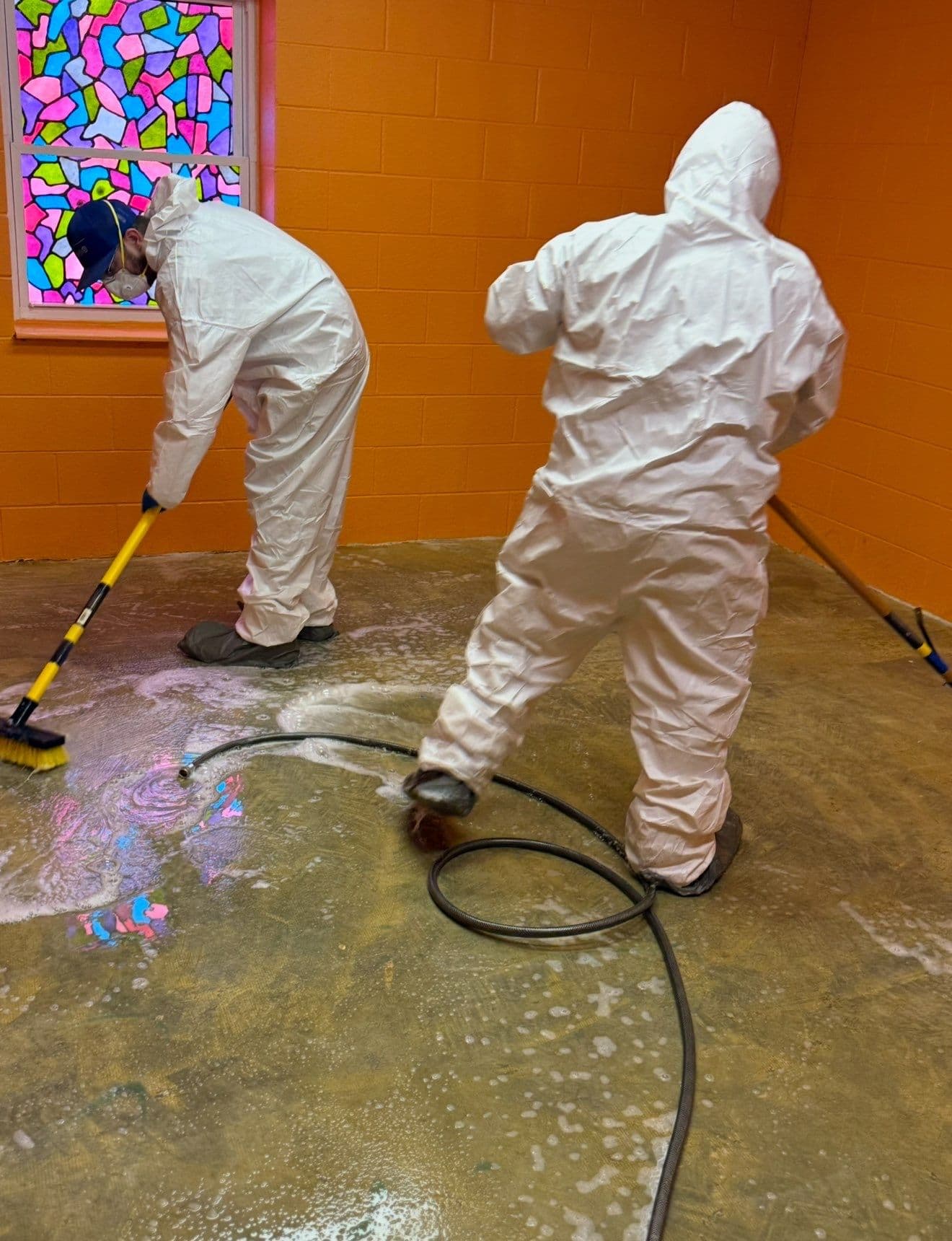
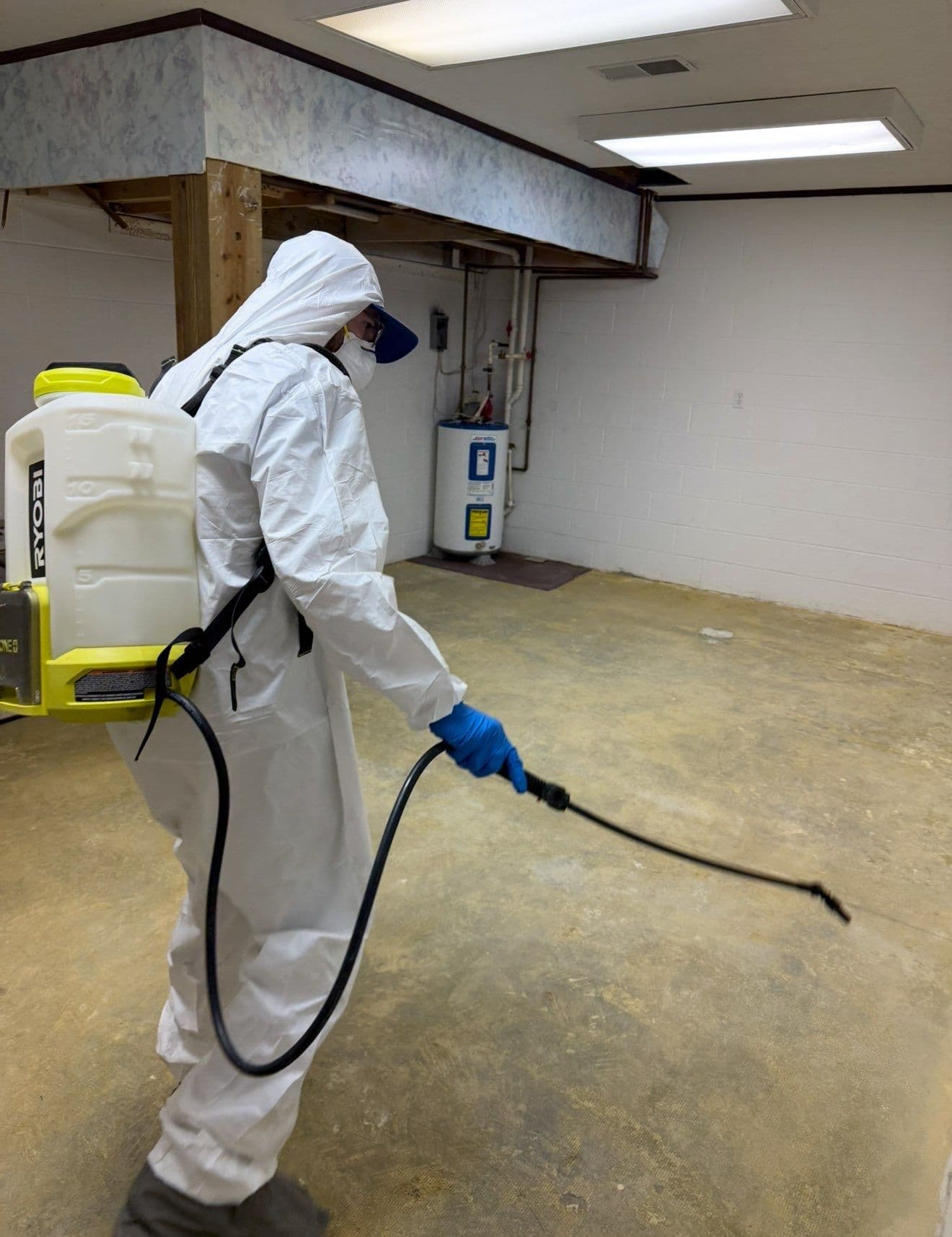
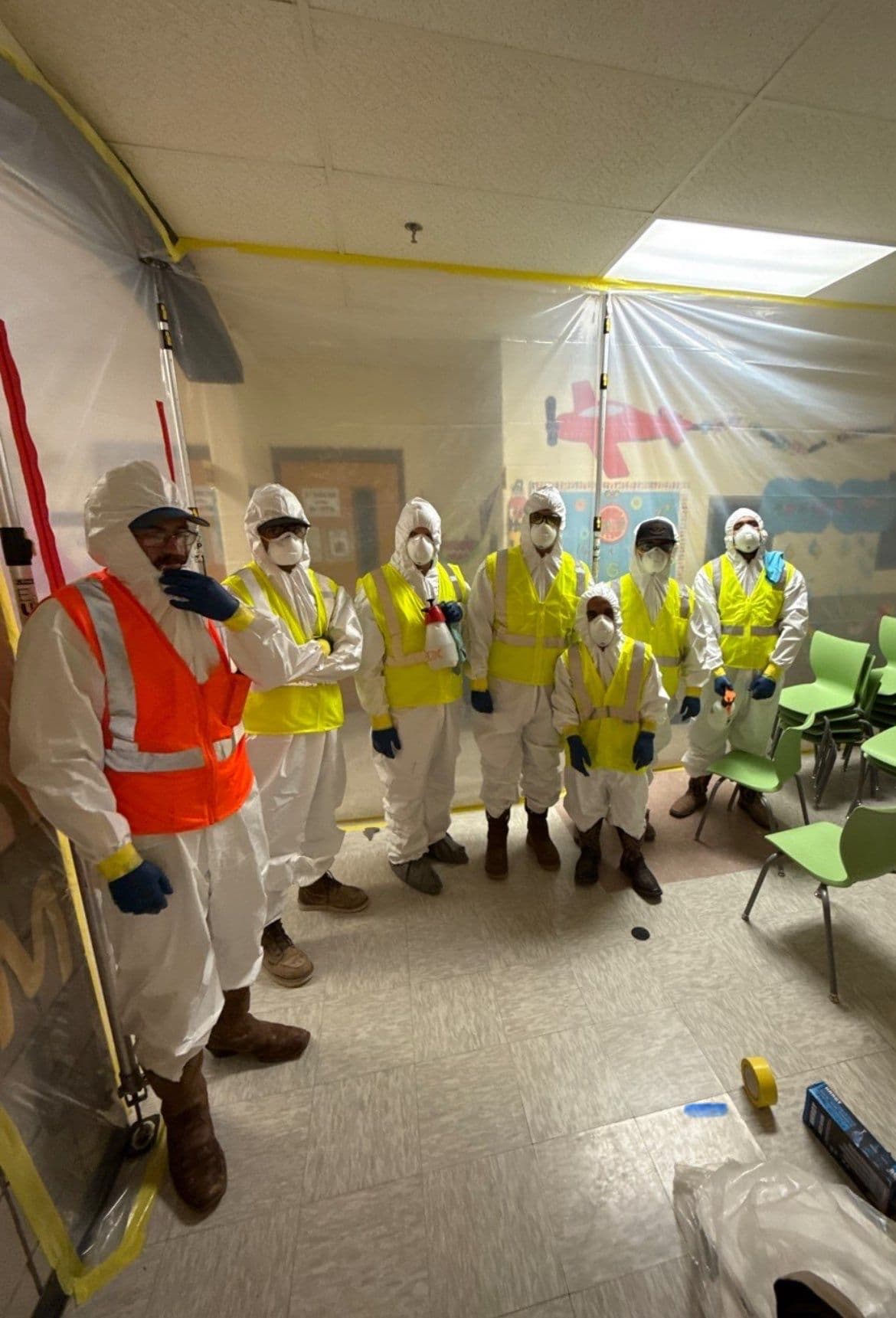
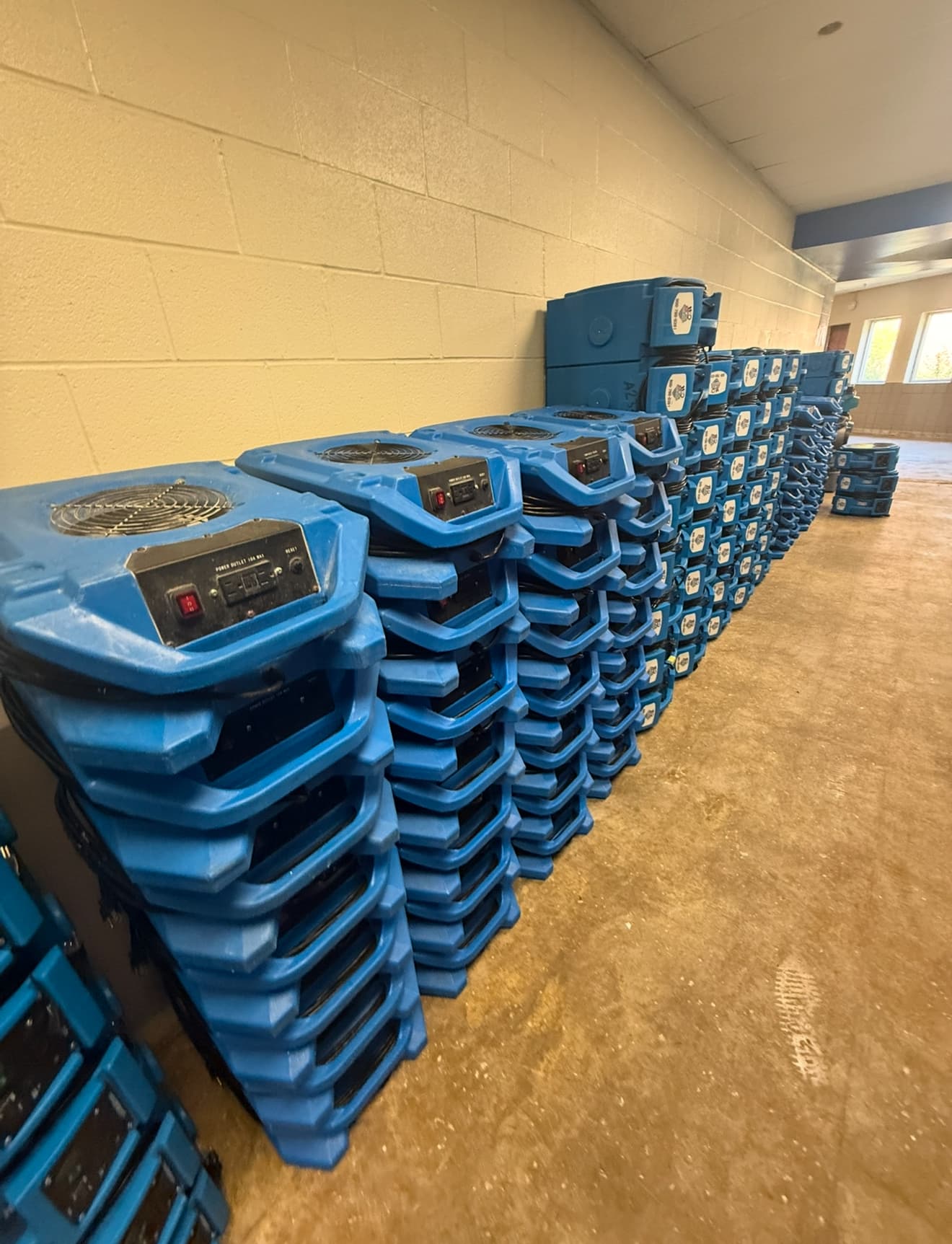
Our biohazard cleanup & remediation process — step by step
Confidential consultation
We discuss the situation privately. Unmarked vehicles are available on request. We explain the scope, process, and timeline before any work begins.
Site assessment & hazard identification
Certified technicians assess the full extent of contamination, identify all hazard types present, and document conditions for insurance purposes.
Containment & PPE protocols
Appropriate containment is established. Technicians don Level C or Level B PPE as required. Entry and exit procedures prevent cross-contamination.
Biohazard removal & packaging
All biohazardous materials are removed, double-packaged in appropriate medical waste containers, and staged for licensed transport and disposal.
Cleaning & disinfection
All affected surfaces are cleaned with EPA-registered disinfectants effective against relevant pathogens. Dwell times are observed per product label requirements.
ATP verification testing
ATP bioluminescence testing verifies surface decontamination at the molecular level. Results are documented and provided to the property owner.
Clearance documentation
Written clearance documentation is provided confirming the space is safe for re-occupancy. Documentation package suitable for insurance claims and property records.
Equipment we use — and why it matters
Professional restoration requires professional equipment. Here's exactly what we bring to your property and why each piece is critical.
Full PPE Suite (Tyvek/N100)
Technician protection
OSHA 29 CFR 1910.1030 Bloodborne Pathogen standard mandates appropriate PPE for all biohazard work. Full Tyvek suits, N100 respirators, double-gloving, and eye protection as minimum standard.
HEPA Vacuum & Air Scrubber
Airborne pathogen control
Captures biological particles during cleaning operations. Required for any work involving blood, bodily fluids, or sewage that may generate aerosols.
Hospital-Grade Disinfectants (EPA List N)
Surface disinfection
EPA-registered disinfectants effective against bloodborne pathogens, bacteria, and viruses including MRSA and C. diff. Applied at correct dwell time per label — contact time is critical for efficacy.
ATP Meter
Clearance verification
Adenosine triphosphate testing provides rapid quantitative surface cleanliness verification. Used before and after remediation to confirm biological contamination has been reduced to acceptable levels.
Medical Waste Containers & Manifests
Regulated waste disposal
Texas DSHS regulates disposal of biohazardous waste. Proper DOT-labeled containers, manifests, and licensed disposal through approved facilities required. We manage the complete disposal chain of custody.
Negative Air Machine
Containment pressure
For trauma scenes and sewage events, negative pressure containment prevents cross-contamination of adjacent clean areas during remediation.
Hydroxyl Generator / Ozone
Odor and pathogen elimination
After physical remediation, molecular-level odor treatment eliminates residual biological odors. Critical for habitability clearance.
How much does biohazard cleanup cost?
Biohazard remediation costs depend on the type of contamination, square footage, and extent of structural involvement. Homeowner's insurance often covers trauma and biohazard cleanup — and some states require coverage.
Sewage backup — bathroom or laundry area
Category 3 water — all porous materials must be removed. Typically covered by homeowner's insurance with water backup endorsement.
Unattended death — single room
Homeowner's insurance trauma clause often covers this. Always call your carrier before attempting any cleanup.
Trauma scene — blood/bodily fluid contamination
Scope depends on extent of contamination and structural involvement. Insurance typically covers accidental events.
Hoarding cleanup with biohazard elements
Scope varies enormously. Typically not covered by standard homeowner's insurance — paid out of pocket or by estate.
Never attempt to clean a trauma scene, unattended death, or significant sewage event yourself. OSHA regulations, health risks, and proper disposal requirements make professional remediation essential. Many insurance policies cover biohazard events — call us before touching anything.
Insurance coverage for biohazard cleanup
Many homeowner's insurance policies include coverage for biohazard cleanup situations, particularly sewage backup (with appropriate endorsement), traumatic events, and certain other biohazard scenarios. Coverage depends heavily on policy language and endorsements. We document all work for insurance submission and can help identify applicable coverage.
Biohazard remediation services across Houston and Texas
Our biohazard team serves the full Houston metro area and operates across multiple states including Texas, Louisiana, Missouri, Georgia, and the Carolinas. We maintain 24/7 availability because biohazard situations do not occur on a schedule. Every technician holds current OSHA 30, bloodborne pathogen, and applicable hazardous materials certifications. We are licensed with the Texas Department of State Health Services for biohazardous waste transport.
Frequently asked questions
Is biohazard cleanup covered by insurance?
It depends on your policy and the specific situation. Sewage backup is covered by many policies if you purchased a water backup endorsement. Trauma scene and crime scene cleanup may be covered under dwelling or personal liability provisions. We review your policy with you before starting work to identify all applicable coverage and document the job accordingly.
How long does biohazard cleanup take?
Simple sewage backup: 1–3 days including drying. Trauma scene cleanup: typically 4–12 hours for a contained area. Hoarding remediation: highly variable, from 1 day to several weeks depending on the scope and level of accumulation. Unattended death: 1–3 days depending on extent of decomposition and structural involvement.
Will neighbors know what happened at my property?
We understand privacy is critical in biohazard situations. Unmarked vehicles are available on request. Our crew arrives without visible branding and the nature of the work is never discussed outside your property. All documentation is handled confidentially. We have worked with law enforcement, medical examiners, property managers, and families across hundreds of sensitive situations.
Need help now? We respond in 60 minutes.
24/7 emergency response — IICRC certified — insurance handled.