Storm tore through your roof. Water is coming in right now.
Emergency board-up, tarping, water extraction, and full structural restoration — with complete hurricane and flood insurance coordination.
Wind + Flood
Coverage types
24/7 Emergency
Response
Same day
Board-up
Harvey, Ike, Beryl
Hurricane exp.
Full Gulf Coast
Service area
Wind + NFIP claims
Insurance
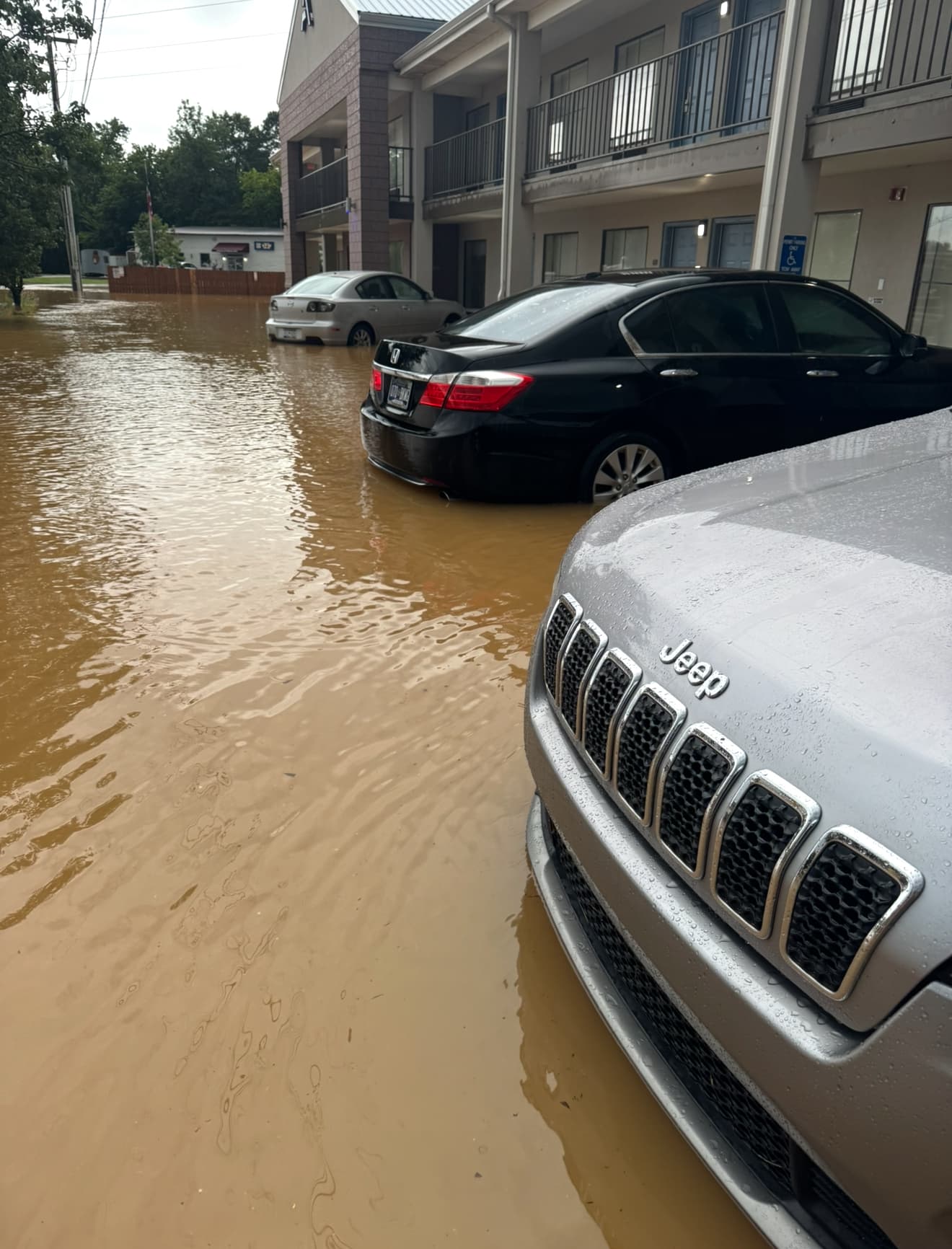
Houston sits in one of the most storm-prone metropolitan areas in the United States. The Gulf Coast generates frequent tropical systems — hurricanes, tropical storms, and severe frontal weather — that bring combinations of wind damage, hail, storm surge, and inland flooding. When a storm breaches your building envelope, every subsequent hour without intervention allows water to penetrate deeper into structural assemblies.
Storm damage restoration involves a specific sequence of actions: emergency stabilization (board-up, tarping, temporary repairs), water extraction and structural drying, debris removal, and full structural restoration and rebuild. Unlike other damage types, storm events often affect entire neighborhoods simultaneously — creating a surge in contractor demand that attracts unlicensed operators promising fast repairs.
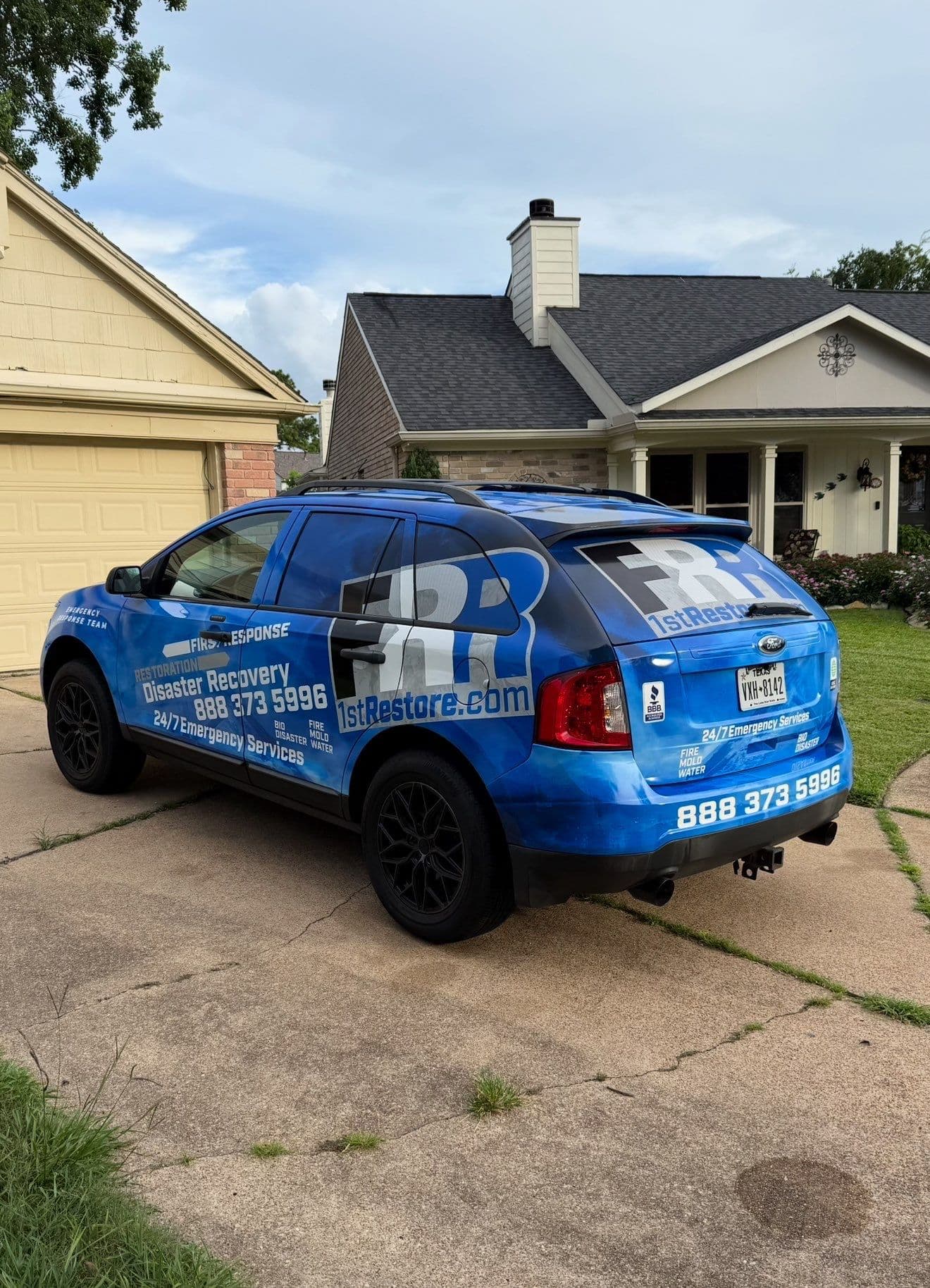
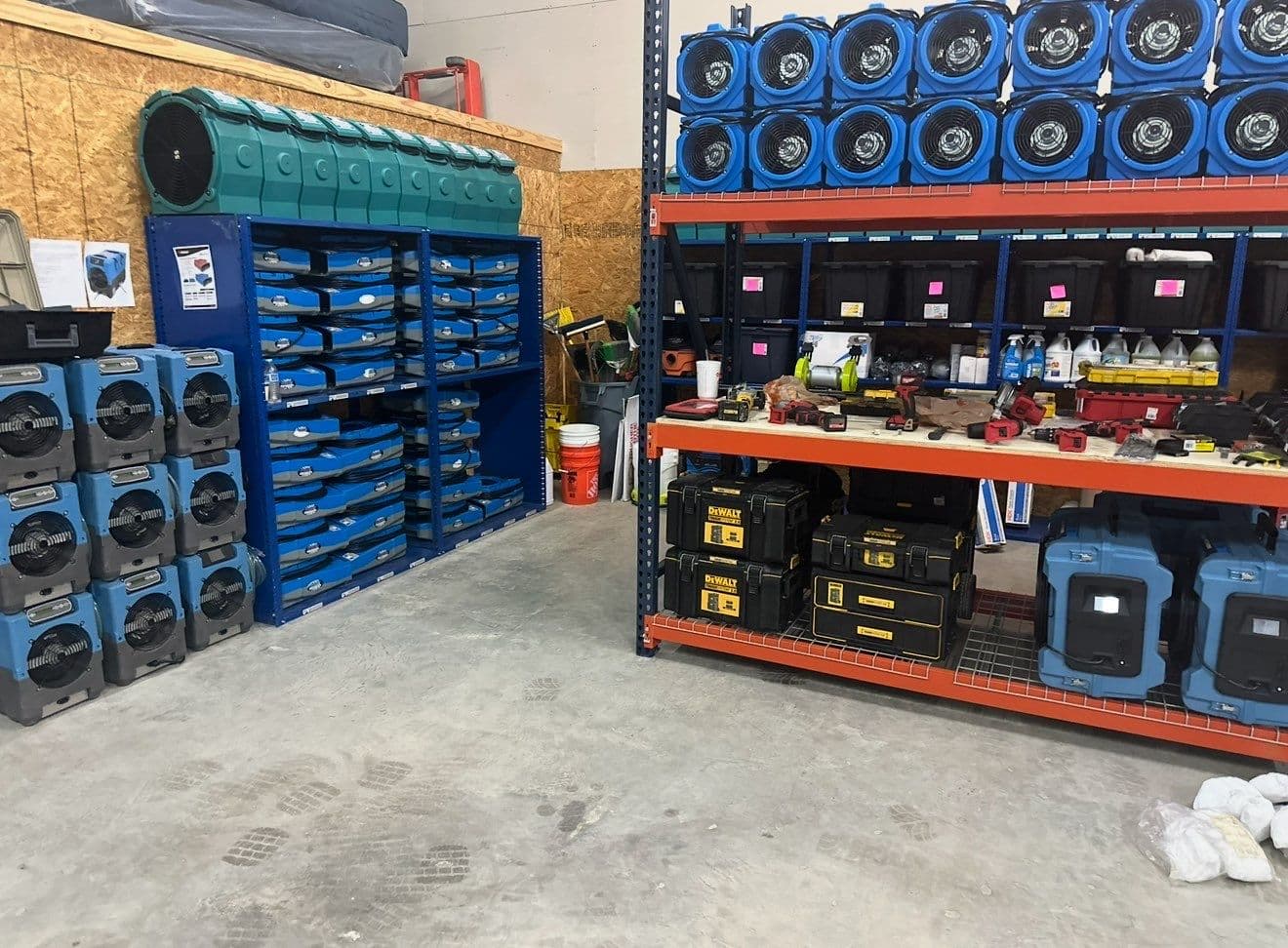
First Response Restoration maintains dedicated storm response resources. Our trucks are stocked with emergency board-up materials, commercial tarping systems, and full water extraction and drying equipment. We mobilize immediately after emergency clearance — and our documentation process is built to handle the complex wind vs. flood coverage questions that dominate storm insurance claims in the Houston market.
Wind damage vs. flood damage — a critical insurance distinction
In Houston, storm claims frequently involve a complex coverage question: was the damage caused by wind (covered under homeowner's policy) or by flooding from rising water (covered only under NFIP flood insurance)? The distinction matters enormously for what gets covered and by which policy. Proper documentation at the time of loss — establishing the order and mechanism of damage — is essential to a successful claim. Our team understands this distinction and documents accordingly.
Storm damage mechanics: what happens to your structure
High-wind events create pressure differentials across building surfaces. Positive pressure on windward walls combined with negative pressure (suction) on leeward walls and roof surfaces can exceed the structural capacity of connections between roofing components, wall assemblies, and the foundation. When the building envelope fails, water intrusion begins immediately. Hail damage creates small punctures in roofing membranes that are invisible from the ground but allow water infiltration that causes interior damage for months before discovery.
After a storm: what to do and what to watch for
Real jobs. Real results.

Our storm & wind damage restoration process — step by step
Emergency stabilization
After clearance to enter, we immediately perform emergency board-up of broken windows and doors, and install commercial-grade tarps over roof damage. This prevents additional water entry and secures the structure.
Full damage assessment
Comprehensive documentation of all damage — roof, envelope, structural, water intrusion, and contents. Photographs, moisture readings, and written scope are prepared for both homeowner's insurance and flood insurance adjusters.
Water extraction & drying
Storm-driven water intrusion creates a significant water damage event. We extract standing water and set structural drying equipment according to IICRC S500 protocols — preventing mold on top of storm damage.
Debris removal & structural assessment
Storm debris is removed and structural members are assessed for impact damage, fastener failure, and racking. Compromised structural elements are documented and marked for replacement.
Structural rebuild & envelope repair
Roofing, siding, windows, doors, and structural repairs are completed in the correct sequence — exterior first to stop water entry, then interior restoration.
Interior restoration
Damaged drywall, insulation, flooring, and finishes are replaced. HVAC systems inspected and cleaned if storm debris or water entered the system.
Final inspection & insurance coordination
Final inspection with insurance adjuster, supplemental claim filing for items identified during restoration, and certificate of completion for insurance close-out.
How much does storm damage restoration cost?
Storm damage restoration costs vary enormously depending on event type (hurricane, hail, tornado), structural damage extent, and whether both wind and flood damage are involved. Most storm damage is covered by your homeowner's policy and/or TWIA/NFIP.
Hail damage — roof and siding replacement
Typically covered by homeowner's or TWIA. Separate hail deductible may apply in Texas.
Wind damage — partial roof failure, water intrusion
TWIA covers wind for coastal properties. Inland homeowner's policy covers wind.
Hurricane — combined wind and flood damage
TWIA covers wind; NFIP covers flood. Separate claims, separate adjusters. Wind/flood split documentation critical.
Tornado — major structural damage
Homeowner's wind coverage applies. Document immediately — debris and structural conditions deteriorate rapidly.
For coastal Texas properties, having both TWIA (wind/hail) and NFIP (flood) coverage is essential. Most hurricane losses involve both perils, and the documentation of which damage was caused by which mechanism directly affects your settlement from each carrier.
Storm insurance claims in Houston: wind, flood, and the split coverage problem
Houston storm claims frequently involve both a homeowner's policy (wind/hail) and a NFIP flood policy — and adjusters for each carrier argue the other's policy is responsible. This coverage dispute can stall your claim for months. Our documentation process establishes the sequence of damage events with timestamped photographs and moisture readings taken on day one, creating a clear record that supports your full claim under both policies.
Your insurance carrier — detailed guides
Storm damage restoration expertise in the Houston Gulf Coast market
Our team has worked through every major Houston-area storm event in the past decade — Hurricane Harvey (2017), Hurricane Ike (2008), Hurricane Beryl (2024), and numerous tropical systems. We understand the specific construction vulnerabilities common in Houston's housing stock: the gable end wall failures common in older construction, the drip edge and starter strip issues that cause widespread roof damage in high-wind events, and the slab-foundation water intrusion pathways specific to Houston's clay soils. We are licensed across the full Gulf Coast market — serving not just Houston but also communities in Galveston, Beaumont, Corpus Christi, New Orleans, and Mobile.
Frequently asked questions
My roof was damaged in a storm — should I use a roofer or a restoration company?
It depends on whether water entered your structure. If the storm only damaged your roof with no water intrusion, a licensed roofer may be sufficient. If water entered — causing damage to insulation, drywall, flooring, or structural elements — you need a restoration contractor who can address the full scope: drying, mold prevention, structural repair, and insurance documentation. Roofers typically do not perform water damage mitigation, write Xactimate estimates, or handle interior restoration. A restoration contractor manages the complete scope under one contract.
Will my homeowner's insurance cover storm damage if I'm in a flood zone?
Standard homeowner's insurance covers wind and hail damage but does NOT cover flood damage from rising water, even in flood zones. If you are in a FEMA Special Flood Hazard Area, flood coverage requires a separate National Flood Insurance Program (NFIP) policy or a private flood policy. Many Houston homeowners carry both. The critical question for your claim is whether damage was caused by wind (pushing water in from above) or by flooding (rising water from below) — our documentation process addresses this distinction explicitly.
A storm contractor knocked on my door after the storm. Should I trust them?
Post-storm solicitation by unlicensed contractors is extremely common in Houston after major weather events. Warning signs include: pressure to sign an Assignment of Benefits (AOB) immediately, promises to waive your deductible (illegal in Texas), requests for cash payment upfront, no physical business address, and no verifiable license or insurance. Always verify a contractor's license with the Texas Secretary of State and their IICRC certification at iicrc.org. Never sign an AOB without legal counsel review.
Can I start repairs before the insurance adjuster comes out?
Yes — and in many cases you should. Texas law (Texas Insurance Code Chapter 542) allows you to make emergency repairs to prevent additional damage, and your insurance company is required to cover reasonable emergency mitigation costs. Keep all receipts and document all emergency work with photographs. Emergency tarping and board-up are standard covered emergency measures. Do not make permanent repairs before the adjuster completes their inspection unless immediate safety requires it.
How long will it take to restore my home after a major storm?
This varies considerably based on scope. Emergency stabilization takes 24–48 hours. Water extraction and drying takes 3–7 days. Structural repairs and rebuild can take 2–12 weeks depending on the extent of damage, material availability, and permit requirements. Major storm events create contractor demand spikes that extend timelines. We prioritize clients in the sequence they called us and maintain dedicated material inventories to minimize supply chain delays.
Need help now? We respond in 60 minutes.
24/7 emergency response — IICRC certified — insurance handled.